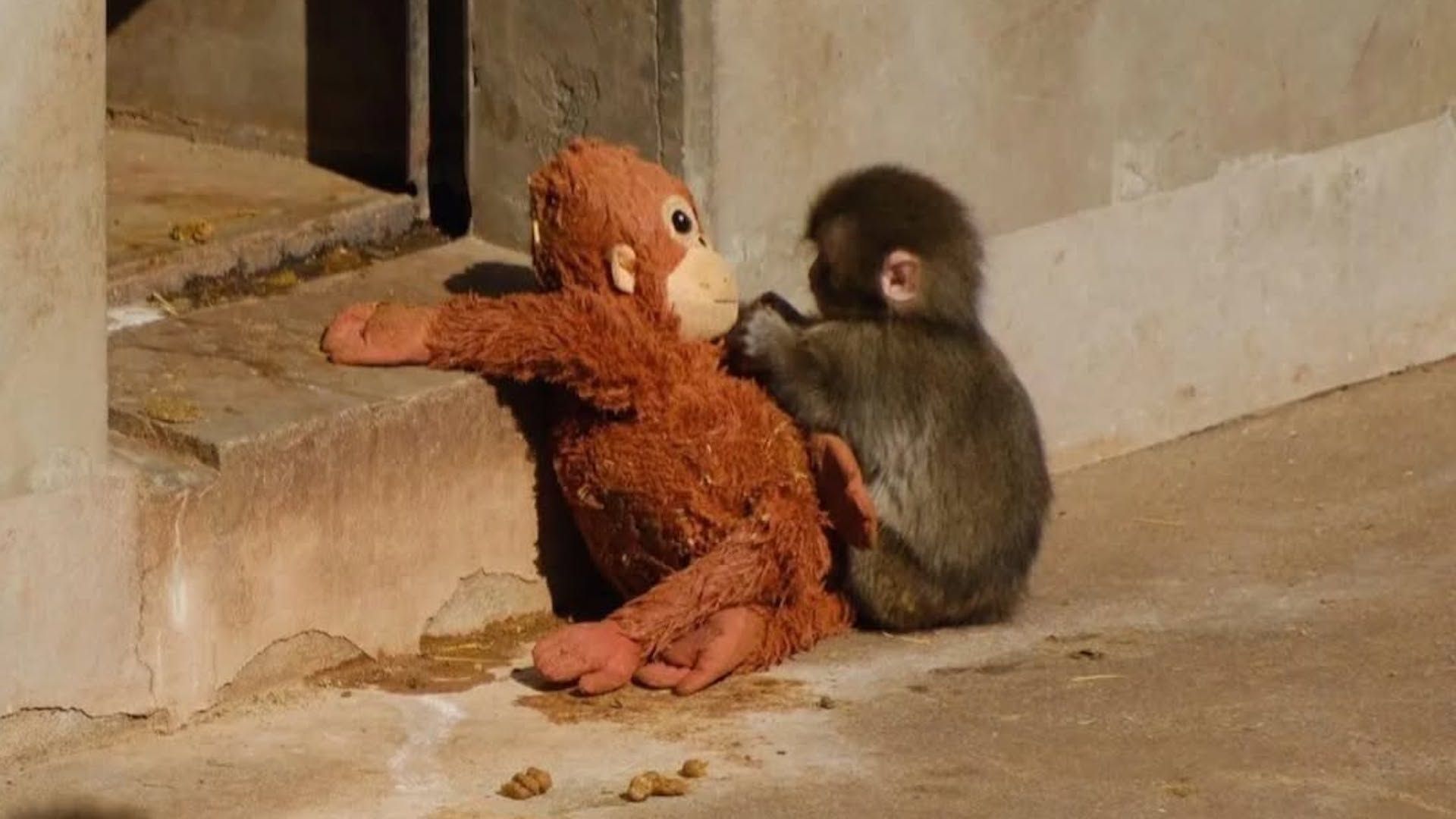
Remember February 2026? For a few weeks, it felt like the entire internet was fixated on one baby monkey in Japan. Punch, a seven-month-old Japanese macaque at Ichikawa City Zoo, went from lonely outcast to global sensation - and the world watched every step of his journey from rejection to acceptance. The hashtag #HangInTherePunch trended globally, IKEA orangutan toys sold out worldwide, and millions of people refreshed their feeds daily for updates. Here's how a tiny primate's struggle for belonging became the biggest animal story of the year.
The Breaking News That Stopped the Internet
It started with a photo. Zookeepers at Ichikawa City Zoo posted an image of Punch clinging to an IKEA orangutan plush toy, his only companion after being abandoned by his mother. The zoo's plea for support - Please watch over Punch's growth with warm support! - was answered in ways nobody expected. Within days, Punch's story had spread across every social media platform. Videos showed him dragging his stuffed friend around the enclosure, seeking comfort where his natural family had rejected him. Then came the footage that broke hearts worldwide: a larger monkey roughly scolding Punch, who retreated behind a rock still clutching his toy. The internet panicked. Fans threatened to fly to Japan to rescue him. Memes flooded Twitter. But zookeepers had a different perspective: that rough treatment meant Punch was being included in troop dynamics, not excluded. Being scolded, they explained, is how monkeys learn social rules.
March 2026 Update: Found His People
The news everyone had been waiting for finally arrived in late February 2026. New footage showed Punch staying close to a larger monkey, following it around the enclosure. The zoo confirmed what millions had hoped for: This big monkey has accepted Punch, and Punch has completely grown attached. It wasn't just one friendship either. Videos captured Punch wrapped in another macaque's arms, exchanging hugs. He was spotted jumping onto other monkeys' backs, who let him cling on. During feeding time, Punch finally started descending to eat with the troop instead of staying close to zoo staff. That independence signaled a genuine shift in confidence and social comfort. As one fan posted on social media: Oh thank god I can sleep now. The seven-month-old who started life alone with only a stuffed orangutan was officially no longer alone.
The Global Phenomenon Nobody Saw Coming
Punch's impact went way beyond cute animal content. The IKEA Djungelskog orangutan toy - nicknamed Oran-Mama by fans - sold out across the United States, Japan, Singapore, and South Korea. Resale prices climbed above $350 on eBay. IKEA's CEO personally visited Ichikawa Zoo, donating 33 replacement plush toys. During Japan's three-day Emperor's Birthday holiday, more than 6,000 visitors flooded the zoo in a single day, forcing entry restrictions and parking closures. The surge was unprecedented in the zoo's history. Type Punch the baby monkey into Google, and heart-shaped illustrations cascade across your screen. Why did this story resonate so deeply? As ABC News noted, people saw themselves in Punch's struggle. The sentiment I am Punch and he is me appeared in family group chats worldwide. His journey from rejection to belonging touched something universal about the human need for connection.
Behind the Scenes: Zookeepers' Secret Battle
While the world obsessed over Punch, zookeepers at Ichikawa were dealing with something else entirely - a flood of visitors, international media attention, and growing concerns about animal welfare. Some visitors raised questions about hair loss visible in some macaques. The zoo responded with a formal statement explaining that several troop members exhibited alopecia due to excessive grooming habits, but veterinary checks showed appropriate weight and no clear sickness. Three staff members had been working together since June 2025 to improve healthy group life for the entire Monkey Mountain troop, not just Punch. They asked for continued public support - and patience - as they implemented environmental improvements. The zoo also had to repeatedly explain that what looked like bullying to human eyes was normal disciplinary behavior for macaques. When Punch is scolded, he shows resilience and mental strength, they wrote. Support his effort rather than feeling sorry for him.
What Punch's Story Really Means
There's a reason Punch's story struck such a chord. It unfolded during a time of global uncertainty, when people were hungry for good news. A baby monkey finding acceptance became a metaphor for hope. But it also revealed something deeper about our relationship with animals and our own emotional lives. ABC News connected Punch's story to Harry Harlow's famous 1950s attachment theory experiments, which showed that baby primates chose soft surrogate mothers over wire ones that provided food. We all need soft spaces, psychology professor Mark Nielsen explained. Love and warmth are far more important for our wellbeing than physical nourishment alone. Punch's journey from abandonment to acceptance tapped into primal feelings about rejection, resilience, and the universal need for belonging. As Julia Baird wrote in her analysis: It was, weirdly, all about love in the end. About our need to feel it and our need to give it.
The story of Punch the baby macaque started as tragedy - a newborn abandoned by his mother, clutching a stuffed toy for comfort. But it ended as something else entirely: a reminder that even in the animal kingdom, rejection isn't forever. By March 2026, Punch was eating with his troop, playing with other babies, and had found not just acceptance but genuine belonging. The internet moved on to other obsessions, but for those few weeks in February and March, millions of people around the world shared in one small primate's journey from lonely outcast to beloved member of the family. Sometimes the best stories are the ones with the happiest endings.