
The line started forming before dawn. By 9 AM, hundreds of people were waiting outside the gates of Ichikawa City Zoo, all hoping to catch a glimpse of one very special baby monkey. Some had flown from Australia. Others had taken the train from Osaka. All of them wanted to see Punch—the tiny Japanese macaque who stole the world's heart with his bright orange plush toy.
But here's the thing about visiting internet-famous animals: sometimes you wait three hours and they're napping in a corner you can't see. So before you pack your bags and head to Japan, let's talk about what it's really like to visit Punch, whether it's worth the trip, and how to maximize your chances of actually seeing him.
Where Exactly Is Ichikawa City Zoo?
Ichikawa City Zoo isn't in the middle of nowhere—it's actually just 30 minutes from central Tokyo. The zoo sits in Chiba Prefecture, which is basically Tokyo's neighbor to the east. You know how New York has New Jersey? Tokyo has Chiba.
The zoo's address is 284-1 Omachi, Ichikawa City, Chiba 272-0801. If you're plugging it into Google Maps, just search "Ichikawa City Zoo" and you're set. The facility is part of a larger park complex that includes botanical gardens, so it's not just animals—there's also a rose garden and nature observation area if you're into that sort of thing.
The zoo's address is 284-1 Omachi, Ichikawa City, Chiba 272-0801. If you're plugging it into Google Maps, just search "Ichikawa City Zoo" and you're set. The facility is part of a larger park complex that includes botanical gardens, so it's not just animals—there's also a rose garden and nature observation area if you're into that sort of thing.
Getting There from Tokyo: It's Easier Than You Think
Here's the good news: you don't need a car or some complicated tour bus. Japan's train system makes this pretty straightforward.
From Tokyo Station: Take the JR Sōbu Line toward Chiba. Get off at Ichikawa Station (about 20 minutes). From there, it's a 15-minute bus ride or taxi to the zoo.
From Shinjuku: Head to Akihabara first, then catch the JR Sōbu Line. Total travel time: roughly 45 minutes.
From Narita Airport: Take the Keisei Main Line or JR toward Tokyo, transfer to the JR Sōbu Line, and get off at Ichikawa Station. Plan for about an hour total.
From Haneda Airport: Take the Tokyo Monorail to Hamamatsuchō Station, then transfer to the JR Yamanote Line to Akihabara, and finally the JR Sōbu Line to Ichikawa. Yeah, it sounds complicated, but Japan's trains are color-coded and have English signs. You'll be fine.
Pro tip: Google Maps is actually really good with Japanese public transport. Just plug in your starting point and "Ichikawa City Zoo" and it'll give you step-by-step directions with train times and platform numbers.
From Tokyo Station: Take the JR Sōbu Line toward Chiba. Get off at Ichikawa Station (about 20 minutes). From there, it's a 15-minute bus ride or taxi to the zoo.
From Shinjuku: Head to Akihabara first, then catch the JR Sōbu Line. Total travel time: roughly 45 minutes.
From Narita Airport: Take the Keisei Main Line or JR toward Tokyo, transfer to the JR Sōbu Line, and get off at Ichikawa Station. Plan for about an hour total.
From Haneda Airport: Take the Tokyo Monorail to Hamamatsuchō Station, then transfer to the JR Yamanote Line to Akihabara, and finally the JR Sōbu Line to Ichikawa. Yeah, it sounds complicated, but Japan's trains are color-coded and have English signs. You'll be fine.
Pro tip: Google Maps is actually really good with Japanese public transport. Just plug in your starting point and "Ichikawa City Zoo" and it'll give you step-by-step directions with train times and platform numbers.
Zoo Hours and Ticket Prices: The Practical Stuff
Ichikawa City Zoo is open Tuesday through Sunday from 9:30 AM to 4:30 PM, with last entry at 4:00 PM. They're closed on Mondays (unless it's a public holiday, in which case they close Tuesday instead—because Japan's weird like that).
Now for the best part: it's incredibly cheap compared to most zoos. Adult tickets cost just 440 yen (that's like $3). Kids in elementary or junior high pay 110 yen ($1), and preschoolers get in free. For comparison, a coffee at Starbucks in Tokyo costs more than admission to this zoo.
But here's the catch: since Punch went viral, the zoo has been getting way more visitors than usual. In late February 2026, they were seeing 6,000 visitors per day—more than triple their usual numbers. So while tickets are cheap, your time is valuable, and you might spend a lot of it waiting in line.
Now for the best part: it's incredibly cheap compared to most zoos. Adult tickets cost just 440 yen (that's like $3). Kids in elementary or junior high pay 110 yen ($1), and preschoolers get in free. For comparison, a coffee at Starbucks in Tokyo costs more than admission to this zoo.
But here's the catch: since Punch went viral, the zoo has been getting way more visitors than usual. In late February 2026, they were seeing 6,000 visitors per day—more than triple their usual numbers. So while tickets are cheap, your time is valuable, and you might spend a lot of it waiting in line.
What to Expect When You're There
Let's be real about what you're getting into. Ichikawa City Zoo is not some world-class facility with fancy exhibits and interactive experiences. It's a small, local zoo that's been around since 1986. It's charming in a modest sort of way, but you're not here for the infrastructure—you're here for one very famous monkey.
Punch lives in the Monkey Mountain exhibit, which houses about 60 Japanese macaques. The enclosure is basically a large outdoor area with rocks, climbing structures, and places for the monkeys to do their monkey business. There's a viewing area where visitors can watch them interact, and yes, sometimes Punch is right there front and center with his plush orangutan toy.
Other animals at the zoo include red pandas, Sumatran orangutans, various bird species, and a petting zoo area. But let's be honest—you're probably not traveling halfway across the world to see a goat that you could pet at a farm in Ohio.
Punch lives in the Monkey Mountain exhibit, which houses about 60 Japanese macaques. The enclosure is basically a large outdoor area with rocks, climbing structures, and places for the monkeys to do their monkey business. There's a viewing area where visitors can watch them interact, and yes, sometimes Punch is right there front and center with his plush orangutan toy.
Other animals at the zoo include red pandas, Sumatran orangutans, various bird species, and a petting zoo area. But let's be honest—you're probably not traveling halfway across the world to see a goat that you could pet at a farm in Ohio.
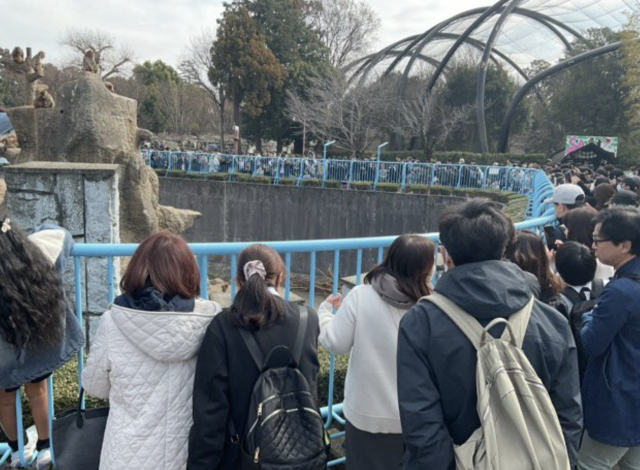
Will You Actually See Punch? The Hard Truth
Here's where things get tricky. Punch is a living creature, not an animatronic attraction. Sometimes he's out socializing with other monkeys. Sometimes he's napping in a back corner. Sometimes zookeepers are working with him behind the scenes. The zoo explicitly states they can't guarantee you'll see him.
As of February 2026, Punch has started making friends within the macaque troop. That's good news for his emotional development, but it means he's spending less time clinging to his plush toy in visible areas. Remember how the internet went wild for those videos of him dragging around the orange orangutan? Yeah, that's happening less now because he's actually integrating with the group.
Your best bet is to arrive early. Like, right when the zoo opens at 9:30 AM. The macaques tend to be most active in the morning, and you'll beat the worst of the crowds. Weekdays are better than weekends if you have the flexibility. And if you're visiting during peak tourist season... well, pack your patience along with your camera.
As of February 2026, Punch has started making friends within the macaque troop. That's good news for his emotional development, but it means he's spending less time clinging to his plush toy in visible areas. Remember how the internet went wild for those videos of him dragging around the orange orangutan? Yeah, that's happening less now because he's actually integrating with the group.
Your best bet is to arrive early. Like, right when the zoo opens at 9:30 AM. The macaques tend to be most active in the morning, and you'll beat the worst of the crowds. Weekdays are better than weekends if you have the flexibility. And if you're visiting during peak tourist season... well, pack your patience along with your camera.
Zoo Rules: Please Don't Be That Tourist
Because of the surge in visitors, the zoo has had to implement some rules. They've added crowd barriers and extra staff to manage the Monkey Mountain area. Here's what they ask from visitors:
The zoo has also emphasized that Punch is doing fine despite what you might see in viral videos. The other monkeys aren't bullying him in any concerning way—that's just how macaque hierarchies work. The zookeepers are professionals who know what they're doing, so please respect their work and don't try to intervene if you see something that looks "sad" from a human perspective.
- No tripods or ladders (yes, people were actually bringing tripods)
- No loud noises or tapping on glass
- No flash photography
- No feeding or calling out to the animals
- Don't hog the viewing space—others want to see too
The zoo has also emphasized that Punch is doing fine despite what you might see in viral videos. The other monkeys aren't bullying him in any concerning way—that's just how macaque hierarchies work. The zookeepers are professionals who know what they're doing, so please respect their work and don't try to intervene if you see something that looks "sad" from a human perspective.
Is It Worth the Trip?
This is the million-dollar question—or rather, the $3 question, since that's what admission costs. If you're already planning a Tokyo vacation and have a free day, sure, why not? The zoo is easy to reach, incredibly affordable, and you'll get to witness a genuine internet phenomenon in person.
But if you're considering flying to Japan specifically to see Punch, I'd pump the brakes. The reality is that you might wait hours for a glimpse that lasts seconds. And Punch's viral fame is a moment in time—by the time you read this, the crowds might have thinned, or he might be fully integrated with the troop and less visually distinctive from the other monkeys.
Think of it this way: visiting Punch is like chasing a trending topic. By the time you get there, the internet might have moved on to something else. But if you're the kind of person who collects experiences rather than souvenirs, and you want to say "I was there during the Punch Monkey craze of 2026," then go for it. Just pack your expectations along with your patience.
But if you're considering flying to Japan specifically to see Punch, I'd pump the brakes. The reality is that you might wait hours for a glimpse that lasts seconds. And Punch's viral fame is a moment in time—by the time you read this, the crowds might have thinned, or he might be fully integrated with the troop and less visually distinctive from the other monkeys.
Think of it this way: visiting Punch is like chasing a trending topic. By the time you get there, the internet might have moved on to something else. But if you're the kind of person who collects experiences rather than souvenirs, and you want to say "I was there during the Punch Monkey craze of 2026," then go for it. Just pack your expectations along with your patience.
At the end of the day, Punch's story isn't really about a baby monkey and a stuffed toy. It's about how we all see something of ourselves in his struggle to find connection after rejection. That's why people are waiting in those long lines, why they're traveling across oceans, why they're cheering for a tiny macaque in a small Japanese zoo. We're all Punch, looking for our place in the troop and holding onto whatever gets us through. And maybe that's worth the trip after all.