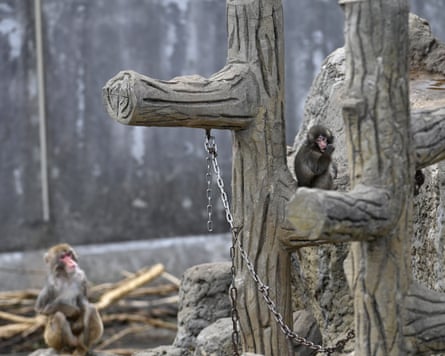
The video that broke millions of hearts showed a tiny baby Japanese macaque clinging desperately to a stuffed orangutan toy. Punch, just seven months old, sat alone in the corner of his enclosure, hugging this plush surrogate after being rejected by his own mother. But why would a mother abandon her baby? The answer is more complex than you might think.
The Day Punch's Mother Walked Away
Punch was born on July 26, 2025, at Ichikawa City Zoo in Japan. Everything seemed normal at first, but within a day, something went terribly wrong. His mother, a first-time parent, simply stopped caring for him. She didn't nurse him. She didn't hold him. She showed no interest in raising her newborn at all.
Zookeepers stepped in immediately, bottle-feeding Punch and providing around-the-clock care. They tried everything—rolling towels to different thicknesses, creating warm, soft surfaces for him to cling to. Nothing worked until they brought in a large IKEA orangutan plushie. That's when something clicked. Punch grabbed onto that stuffed toy and wouldn't let go.
Zookeepers stepped in immediately, bottle-feeding Punch and providing around-the-clock care. They tried everything—rolling towels to different thicknesses, creating warm, soft surfaces for him to cling to. Nothing worked until they brought in a large IKEA orangutan plushie. That's when something clicked. Punch grabbed onto that stuffed toy and wouldn't let go.
So Why Do Mothers Abandon Their Babies?
It's not cruelty or cold-heartedness. In the primate world, maternal abandonment is actually a rare but natural behavior shaped by survival instincts.
First-time mom problems: Punch's mother had never raised a baby before. In primates, maternal care is partly learned through watching others. Without that experience, some mothers just don't know what to do. They might not recognize their baby's cues or understand how to respond.
Born during a heatwave: Punch arrived in the middle of scorching temperatures. Extreme heat stresses everyone, including monkeys. Under these conditions, mothers sometimes have to make a tough choice—prioritize their own survival and future reproduction chances over caring for an infant whose odds might not look great.
Health assessments: Primate mothers can tell if something's off with their babies. It's harsh, but if an infant seems weak or unhealthy, a mother might reduce care or abandon it completely. From an evolutionary standpoint, this lets her save her energy for future offspring with better survival chances.
First-time mom problems: Punch's mother had never raised a baby before. In primates, maternal care is partly learned through watching others. Without that experience, some mothers just don't know what to do. They might not recognize their baby's cues or understand how to respond.
Born during a heatwave: Punch arrived in the middle of scorching temperatures. Extreme heat stresses everyone, including monkeys. Under these conditions, mothers sometimes have to make a tough choice—prioritize their own survival and future reproduction chances over caring for an infant whose odds might not look great.
Health assessments: Primate mothers can tell if something's off with their babies. It's harsh, but if an infant seems weak or unhealthy, a mother might reduce care or abandon it completely. From an evolutionary standpoint, this lets her save her energy for future offspring with better survival chances.
Life Without Mom: Tougher Than You'd Think
You might think being hand-raised by humans would be easier for Punch, but it's actually created a whole new set of challenges. Japanese macaques live in strict social hierarchies—think high school cliques but way more intense. Your rank in monkey society comes from your mother's rank.
Without his mom around, Punch had zero status. When zookeepers introduced him to the troop of 60 other monkeys at Monkey Mountain, he was at the bottom of the pecking order. Literally. Videos showed older monkeys chasing him, dragging him around, and pushing him away. But here's the thing—experts say this isn't bullying. It's just how macaques establish who's who in the group.
The real problem? Without his mother to teach him how to act, Punch didn't know the proper submissive behaviors. He couldn't read social cues or understand when to back down. That made standing his ground even harder.
Without his mom around, Punch had zero status. When zookeepers introduced him to the troop of 60 other monkeys at Monkey Mountain, he was at the bottom of the pecking order. Literally. Videos showed older monkeys chasing him, dragging him around, and pushing him away. But here's the thing—experts say this isn't bullying. It's just how macaques establish who's who in the group.
The real problem? Without his mother to teach him how to act, Punch didn't know the proper submissive behaviors. He couldn't read social cues or understand when to back down. That made standing his ground even harder.
The Toy That Saved Him (Sort Of)
Baby macaques need to cling. It's instinct. In the wild, they grip their mothers' fur constantly—it builds muscle strength and provides emotional security. Punch had nobody to cling to, until that stuffed orangutan came along.
Zookeeper Kosuke Shikano explained they chose the toy because it looked like a monkey, which might help Punch eventually integrate back into the troop. Whether it worked is debatable, but what's clear is that Punch formed a genuine attachment to it. The toy became his security blanket, his comfort object, the one thing he could control in a confusing world.
Interestingly, Punch's story highlights something deep about primates—including us. We all need attachment figures. When the real thing isn't available, babies will bond with substitutes. Studies show infant primates form deep emotional connections for stress regulation and security. Punch's plushie wasn't just a toy—it was filling a fundamental psychological need.
Zookeeper Kosuke Shikano explained they chose the toy because it looked like a monkey, which might help Punch eventually integrate back into the troop. Whether it worked is debatable, but what's clear is that Punch formed a genuine attachment to it. The toy became his security blanket, his comfort object, the one thing he could control in a confusing world.
Interestingly, Punch's story highlights something deep about primates—including us. We all need attachment figures. When the real thing isn't available, babies will bond with substitutes. Studies show infant primates form deep emotional connections for stress regulation and security. Punch's plushie wasn't just a toy—it was filling a fundamental psychological need.
Hope on the Horizon
The story isn't all sad. Recent updates show Punch slowly making progress. Visitors have spotted other monkeys grooming him—a huge sign of acceptance in macaque society. He's been seen playing more, exploring his environment, and yes, still carrying that orangutan toy everywhere he goes.
Zoo officials report that as of February 2026, Punch can eat on his own without help from caretakers. He's interacting more with the troop. The same monkeys who once ignored him are gradually becoming his community.
Punch's journey from rejected infant to finding his place shows both how fragile and how adaptable young primates can be. His grip on that plush toy once symbolized isolation. Now, it represents something else—survival, resilience, and the bridge between loneliness and belonging.
Zoo officials report that as of February 2026, Punch can eat on his own without help from caretakers. He's interacting more with the troop. The same monkeys who once ignored him are gradually becoming his community.
Punch's journey from rejected infant to finding his place shows both how fragile and how adaptable young primates can be. His grip on that plush toy once symbolized isolation. Now, it represents something else—survival, resilience, and the bridge between loneliness and belonging.
Maternal abandonment might seem cruel from a human perspective, but for Punch's mother and other primates, it's a complex decision shaped by survival, biology, and circumstances beyond their control. What matters now is that Punch is slowly finding his way—with a little help from some very dedicated humans and one very special stuffed orangutan.